




What Is Real-Time Tracking and System Integration in Transport?

Real-time tracking and complex system integration is the
discipline of connecting the disparate operational systems
that transport businesses depend on - GPS fleet
telematics, booking platforms, warehouse management
systems, ERP infrastructure, driver apps, and third-party
APIs - into a unified, resilient, and operationally
coherent platform.
In transport and logistics, no two infrastructure
environments are the same. Legacy systems coexist with
modern platforms. Multiple vendors serve different parts
of the same operation. Data flows must be real-time,
reliable, and actionable - and integration failures
translate directly into visibility gaps, service
disruptions, and operational losses.

The Challenge: Why Transport Integration Is Uniquely Complex
Transport infrastructure complexity is not an accident -
it reflects decades of operational evolution, vendor
consolidation, and regulatory adaptation. Integration
projects in transport fail more often than in other
industries, and almost always for the same reason:
insufficient understanding of the operational
dependencies, data models, and failure modes that only
become visible through deep sector experience.
The integration challenge is compounded by the real-time
requirements of transport operations. A fleet management
integration that loses GPS events creates liability. A
booking engine that fails to sync with dispatch breaks
service commitments. The stakes are high, and the
architecture must reflect that.
Our Approach to Complex Integration
-
Infrastructure Audit A structured mapping of data flows, dependencies, and assumptions - stress-tested against real production conditions before any architecture is committed.
-
Resilience-First ArchitectureDesigned for the real-world conditions of transport operations - API timeouts, GPS signal loss, legacy data inconsistencies, and peak-load surges - not idealised specification scenarios.
What We Build

Live GPS Fleet Integration Platforms
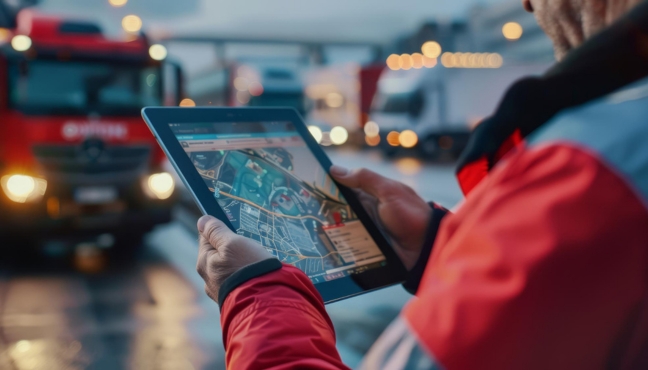
End-to-end solutions that aggregate telematics data from mixed-vendor fleet hardware into unified operational dashboards, alerting systems, and analytical platforms - providing real-time visibility across entire fleets regardless of the GPS hardware mix.

Booking & Dispatch System Integrations
Seamless connections between booking engines, dispatch platforms, driver apps, and customer-facing systems - enabling real-time operational flows from booking confirmation through dispatch, tracking, and service delivery.

Warehouse & Supply Chain Connectivity
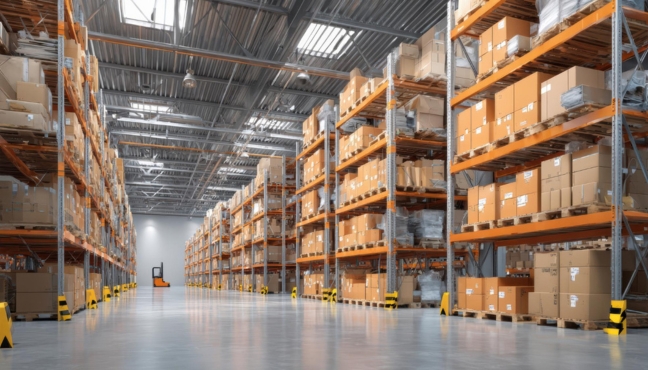
Integration of warehouse management systems, inventory platforms, and logistics APIs to deliver end-to-end supply chain visibility - connecting inbound freight, warehouse operations, and outbound distribution in a single, coherent operational picture.

Third-Party API Architecture
Resilient integration layers that manage multiple external data providers, payment gateways, regulatory reporting systems, and partner platforms - with error handling, retry logic, and monitoring designed for the operational realities of transport businesses.

Legacy System Modernisation
Architectures and migration strategies for connecting legacy operational systems - built over years, often undocumented, frequently business-critical - to modern platforms without disruption to live operations.

Multi-Party Integration Orchestration
Integration solutions for the multi-stakeholder environments common in transport - connecting operators, contractors, sub-contractors, regulators, and customers into coherent data flows where each party sees exactly what they need.

Who This Service Is For

Transport Operators
Managing mixed-vendor fleets requiring unified telematics and real-time visibility
Logistics Companies
Needing end-to-end supply chain connectivity across multiple systems and partners

Automotive Businesses
Connecting booking, service management, and customer platforms
Enterprise Transport Organisations
Modernising legacy infrastructure without disrupting live operations
Don’t hesitate collaborate with expertise- Let’s Talk
Frequently Asked Questions
Real-time fleet tracking integration connects GPS telematics hardware, operational management systems, booking engines, and third-party data sources into a unified platform - providing live fleet visibility, automated alerting, and actionable operational intelligence across the entire operation.
Fospertise designs integration architectures that connect legacy transport systems to modern platforms without disrupting live operations - using API layers, event-driven architectures, data transformation pipelines, and staged migration strategies suited to the operational constraints of transport businesses.
Yes. Fospertise specialises in multi-vendor integration environments - a common reality in transport and logistics where different systems from different eras and different providers must be made to work together reliably and in real time.
Fospertise builds integration platforms with resilience and operational monitoring from day one - including error handling, retry logic, failure alerting, and 24/7 support - ensuring that issues are detected and resolved before they impact operations.